
Sports medicine
ACL Reconstruction: What Return to Sport Really Means in 2026
2 April 2026 · 8 min read
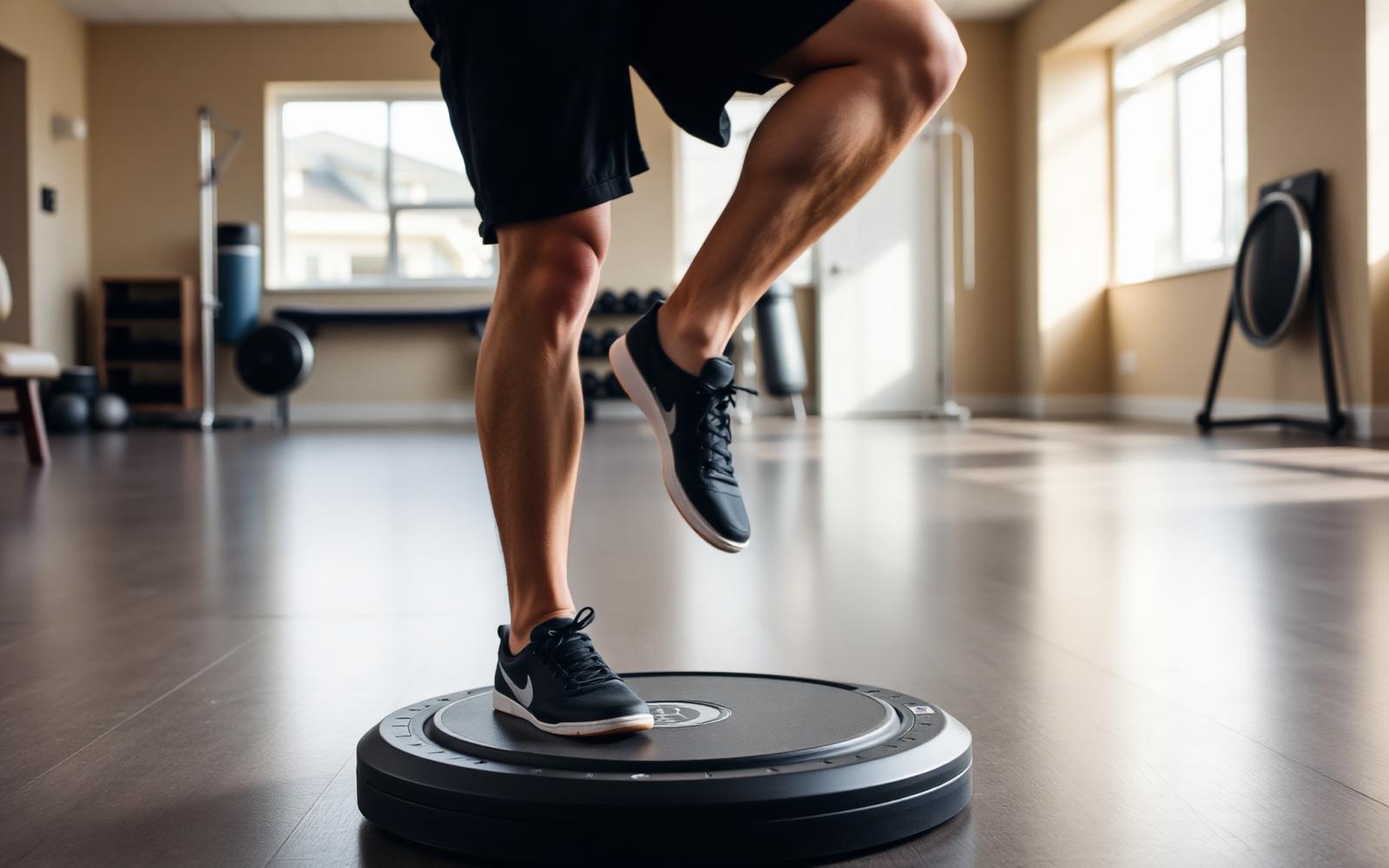
After an ACL injury, one question often matters more than anything else: “When can I get back to my sport?”
You may be thinking about Sunday football, netball, skiing or your next competitive season. As your knee improves, it is natural to want a date to work towards.
Return to sport after ACL reconstruction means rebuilding strength, movement control, confidence and sport-specific fitness, alongside allowing time for healing.
A consensus statement published in 2026 reinforces this approach. Decisions should combine physical and psychological assessment with the demands of the sport. Your return is a progression, with different milestones along the way.1
What does ACL reconstruction do?
The anterior cruciate ligament, or ACL, helps stabilise the knee during movements such as turning and changing direction. A torn ACL can leave the knee feeling unstable or giving way.
ACL reconstruction replaces the torn ligament with a graft, commonly taken from a hamstring, patellar or quadriceps tendon. The operation aims to restore stability.
Rehabilitation then helps rebuild movement, strength and control. Your surgeon should explain the proposed procedure, its risks and the recovery plan that fits your injury and goals.2
What does “return to sport” actually mean?
The return-to-sport framework separates three stages. Understanding them helps you set more useful goals.3
Return to participation
You are taking part in rehabilitation, exercise or modified training. That might mean controlled drills or part of a session, with limits agreed by your rehabilitation team.
You are building towards the demands of your sport.
Return to sport
You have resumed your sport, although your fitness, confidence or performance may still be developing.
For example, you might be back playing football while gradually rebuilding match exposure.
Return to performance
You have returned to your previous level of performance, or the level you are aiming for.
Being able to join training, play a match and perform consistently across a season are different achievements. Each deserves its own assessment and progression plan.
How long does it take to return to sport after ACL reconstruction?
For sports involving pivoting, cutting or contact, around 9–12 months is a common planning range, and some people need longer. Your surgeon and physiotherapist should guide the timing for your particular sport and recovery.
Everyday activities and selected exercise may be possible earlier. Those milestones do not establish readiness for unrestricted sport.4 5
Research continues to refine the timing. A 2025 study of male athletes who met rehabilitation discharge criteria found no statistically significant difference in further injury around the nine-month threshold. However, it involved specialist rehabilitation at one centre and could not reliably rule out small differences in risk.
The practical message is to assess recovery time and readiness together. A study result cannot provide an individual clearance date.6
What should be checked before returning to sport?
An ACL return-to-sport assessment should consider several areas. The tests and targets depend on your sport, injury and rehabilitation programme.
Knee symptoms and movement
Your team will assess pain, swelling, knee movement and stability. Being able to fully straighten and appropriately bend the knee matters, alongside how it responds to activity.
Persistent swelling, stiffness or giving way should be discussed before progressing.2
Strength and physical capacity
The thigh muscles need to recover enough strength to support the demands of your sport. Testing may assess the quadriceps and hamstrings using equipment that measures force.
Results help identify what still needs work and guide further rehabilitation. The targets should reflect the activity you are returning to.7
Jumping, landing and changing direction
Hop and jump tests can provide useful information, but distance is only part of the picture. Your clinician may also examine landing control and how you manage running, braking or changing direction.
An athlete can achieve a good hop distance while still using movement strategies that reduce the work done by the recovering knee.8
Confidence and psychological readiness
You may feel comfortable in the gym but hesitant when another player approaches or a movement becomes unpredictable.
Discuss fear of reinjury and confidence honestly. Psychological readiness is part of the return-to-sport assessment, and your team may use a questionnaire such as the ACL Return to Sport after Injury scale, or ACL-RSI.1 7
Why matching the other leg is not the whole answer
Some ACL strength and hop tests compare the operated leg with the other leg. You may hear about a target such as 90% limb symmetry.
These comparisons have limits. The other leg can also lose capacity during recovery, making the two sides look similar even when your overall performance remains below its previous level.
Research has shown that limb symmetry can overestimate recovery. Your team should interpret the numbers alongside strength, movement quality and the demands of your sport. A single score cannot describe the whole knee.9
What does ACL rehabilitation usually involve?
ACL rehabilitation develops in stages, with regular reviews to guide progression.
Early recovery focuses on managing symptoms, restoring knee movement and following your prescribed walking and exercise advice. You may initially need crutches or a brace, depending on your operation.
Later rehabilitation builds strength and exercise capacity, before progressing towards running and more demanding movement. Sport preparation may involve jumping, agility and controlled practice of the skills your activity requires.5 6
Follow the programme agreed with your team. Exercise selection, loading and progression need to reflect your surgery, including any additional procedures.
How should training lead into competition?
For someone returning to football, straight-line running is one milestone. A match also involves stopping, turning, reacting to other players and repeated efforts.
A return plan can build from controlled drills towards more demanding training and, when appropriate, competition. The sequence should reflect the activity you want to resume and the findings of your assessments.1
Ask your team what you are currently cleared to do. “Training” can mean individual exercises, modified team practice or a full unrestricted session. Having a clear description helps you and your coach work towards the same goal.
Does a meniscus repair change ACL recovery?
It can. Some ACL injuries also involve a torn meniscus, one of the structures that helps cushion the knee.
If your surgeon repairs the meniscus during ACL reconstruction, you may have specific restrictions on weight-bearing, knee movement or brace use. These can change the early rehabilitation plan.
Follow the instructions for your own operation. A teammate's recovery timetable may involve a different injury, graft or additional procedure.4
What can you do to support your return?
Complete the rehabilitation programme and attend the planned reviews. Continuing physiotherapy and strengthening work is an important part of rebuilding function after ACL reconstruction.10
Useful habits include keeping a record of your exercises, noting symptoms after activity and bringing questions to appointments. Tell your team about your sport, position, usual training schedule and the level you hope to reach.
These details make the plan more useful. You should understand the next milestone, how it will be assessed and what you need to work on before progressing.
Questions to ask your surgeon or physiotherapist
- What am I currently cleared to do?
- Which tests will assess my readiness for running, training and competition?
- What strength or movement deficits still need work?
- Does my graft or meniscus repair affect the plan?
- How will we assess confidence and fear of reinjury?
- What should I do if my knee swells after exercise?
- How should I build up team training and match exposure?
- What rehabilitation should continue after I resume sport?
Frequently asked questions about ACL recovery
When can I start running after ACL surgery?
Running is a separate rehabilitation milestone. Your physiotherapist should assess your knee symptoms, movement, strength and ability to tolerate the activity before progressing you. The appropriate timing varies.7
Does passing return-to-sport testing mean I cannot injure my ACL again?
Testing helps assess recovery, but it cannot guarantee freedom from injury. The results need to be interpreted alongside your rehabilitation, movement quality and sporting demands. Both the reconstructed ACL and the other knee can sustain injury.8
Will I return to my previous level of sport?
Many people resume sporting activity, but returning to the same level is not guaranteed. Set realistic goals with your team and review them as rehabilitation progresses. Some people continue to experience limitations after surgery.10
Discuss ACL reconstruction and your sporting goals with John Lynch
If an ACL injury is affecting your knee stability or keeping you away from sport, a consultation can help you understand the treatment options and recovery involved.
Book a consultation with John Lynch to discuss your injury, the activities you want to return to and an appropriate plan for your next steps.
When to seek urgent advice after ACL surgery
Contact your surgical team or NHS 111 promptly if you develop a high temperature, wound discharge, new calf pain or worsening redness, pain or swelling.
If leg pain and swelling occur with chest pain or difficulty breathing, call 999 or go to A&E immediately. These can be signs of a serious blood clot.11
This article provides general information. Your surgical and rehabilitation team should guide individual treatment and return-to-sport decisions.
Clinical sources
- Liang Z et al. APKASS 2024 consensus statement on anterior cruciate ligament reconstruction, part III: Return to play after anterior cruciate ligament reconstruction. Published May 2026; July 2026 collection. Expert consensus. DOI: 10.1016/j.asmart.2026.05.006.
- American Academy of Orthopaedic Surgeons. ACL Injury: Does It Require Surgery?
- Meredith SJ et al. Return to sport after anterior cruciate ligament injury: Panther Symposium ACL Injury Return to Sport Consensus Group. 2020. DOI: 10.1007/s00167-020-06009-1.
- Gateshead Health NHS Foundation Trust. Anterior Cruciate Ligament (ACL) Reconstruction or Repair.
- NHS. Recovering from ACL (anterior cruciate ligament) surgery.
- Kotsifaki R et al. Is 9 months the sweet spot for male athletes to return to sport after anterior cruciate ligament reconstruction? British Journal of Sports Medicine. 2025;59:667–675. DOI: 10.1136/bjsports-2024-108733.
- Kotsifaki R et al. Aspetar clinical practice guideline on rehabilitation after anterior cruciate ligament reconstruction. British Journal of Sports Medicine. 2023;57:500–514. DOI: 10.1136/bjsports-2022-106158.
- Kotsifaki R and Whiteley R. Criteria-based rehabilitation and return to sport testing after anterior cruciate ligament reconstruction. Aspetar Sports Medicine Journal. 2023. Authors' discussion of the clinical guideline and their research.
- Wellsandt E et al. Limb Symmetry Indexes Can Overestimate Knee Function After Anterior Cruciate Ligament Injury. Journal of Orthopaedic & Sports Physical Therapy. 2017;47:334–338. DOI: 10.2519/jospt.2017.7285.
- The Rotherham NHS Foundation Trust. Daycase Arthroscopic Anterior Cruciate Ligament (ACL) Reconstruction.
- NHS. Complications of ACL (anterior cruciate ligament) surgery.