Osteoarthritis
Gradual loss of the smooth cartilage lining the joint. Presents as pain on loading, morning stiffness, and swelling after activity.

The knee joins the femur, tibia, fibula and patella into a hinge that carries several times body weight with every step. Stability comes from the ligaments; smoothness from cartilage; cushioning from the menisci; and power from the surrounding muscles.
Understanding which of these structures is at fault, and why, is the foundation of every successful treatment plan.
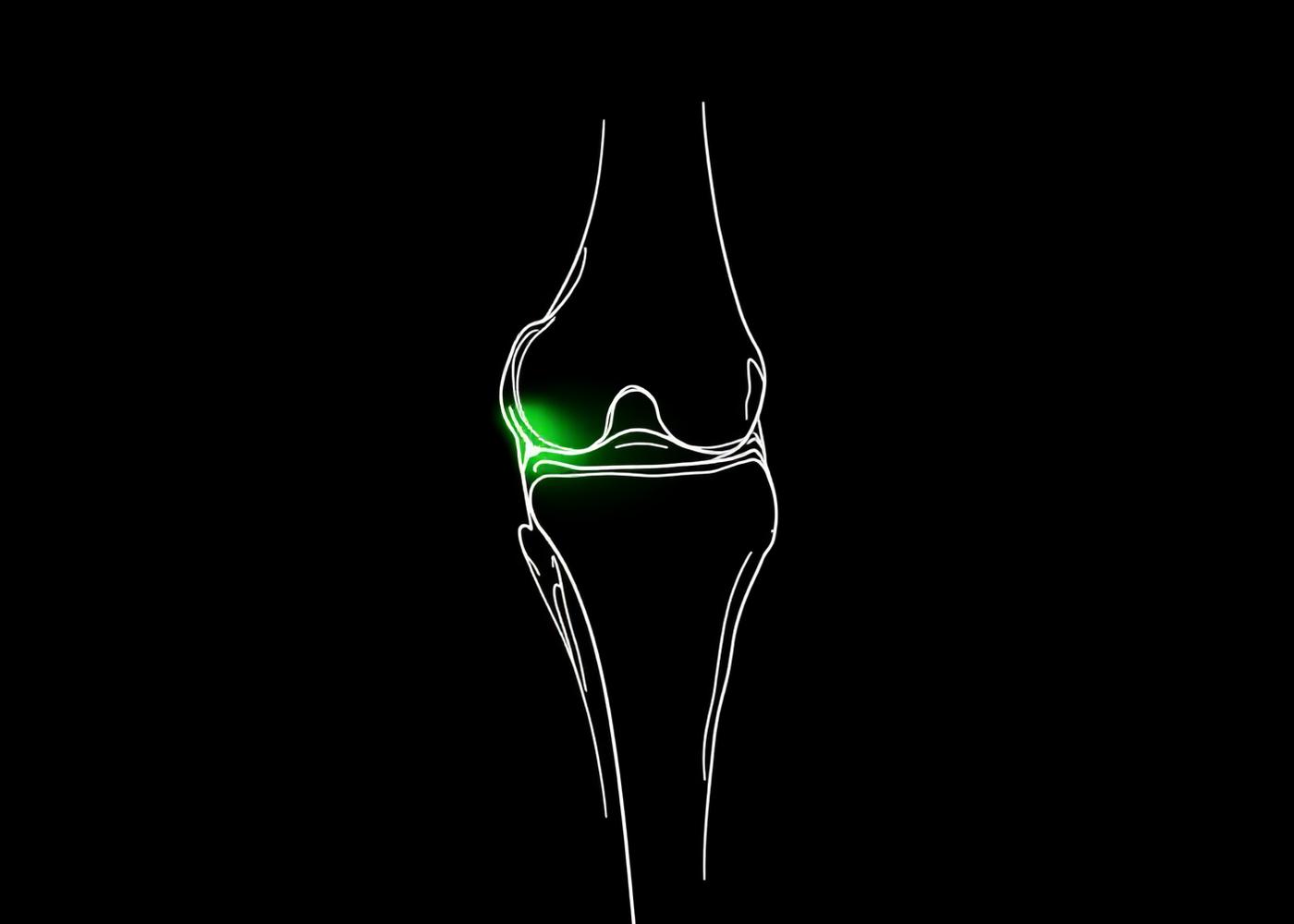
Common problems
Gradual loss of the smooth cartilage lining the joint. Presents as pain on loading, morning stiffness, and swelling after activity.
Tears of the C-shaped cartilage cushions. Often a twisting injury, but degenerate tears also occur. Clicking, catching and localised pain.
Rupture of the anterior cruciate ligament, usually from a non-contact pivoting injury. Immediate swelling, sense of instability.
Pain at the front of the knee, worse on stairs and after prolonged sitting. Common in runners and adolescents.
Recurrent kneecap dislocation. Often multifactorial, involving bony shape, ligament laxity and muscle imbalance.
Focal areas of cartilage damage in otherwise healthy joints, presenting an opportunity for modern preservation techniques.
Next step
A single consultation is often all it takes to reach a working diagnosis and treatment plan.
Book a consultation